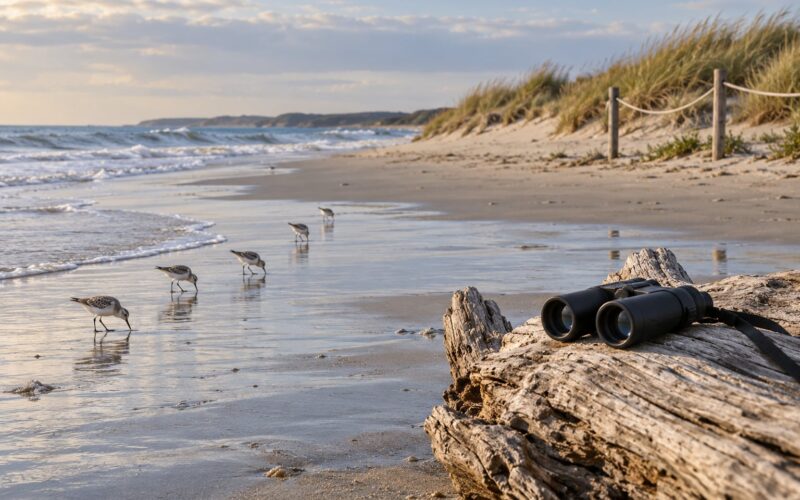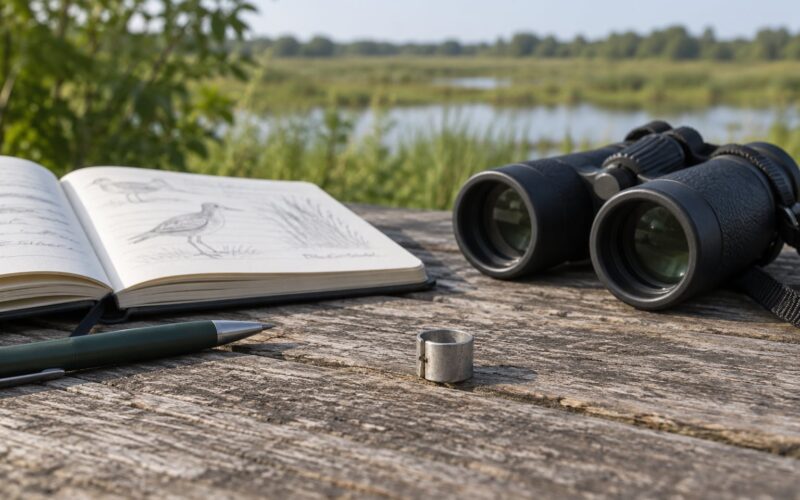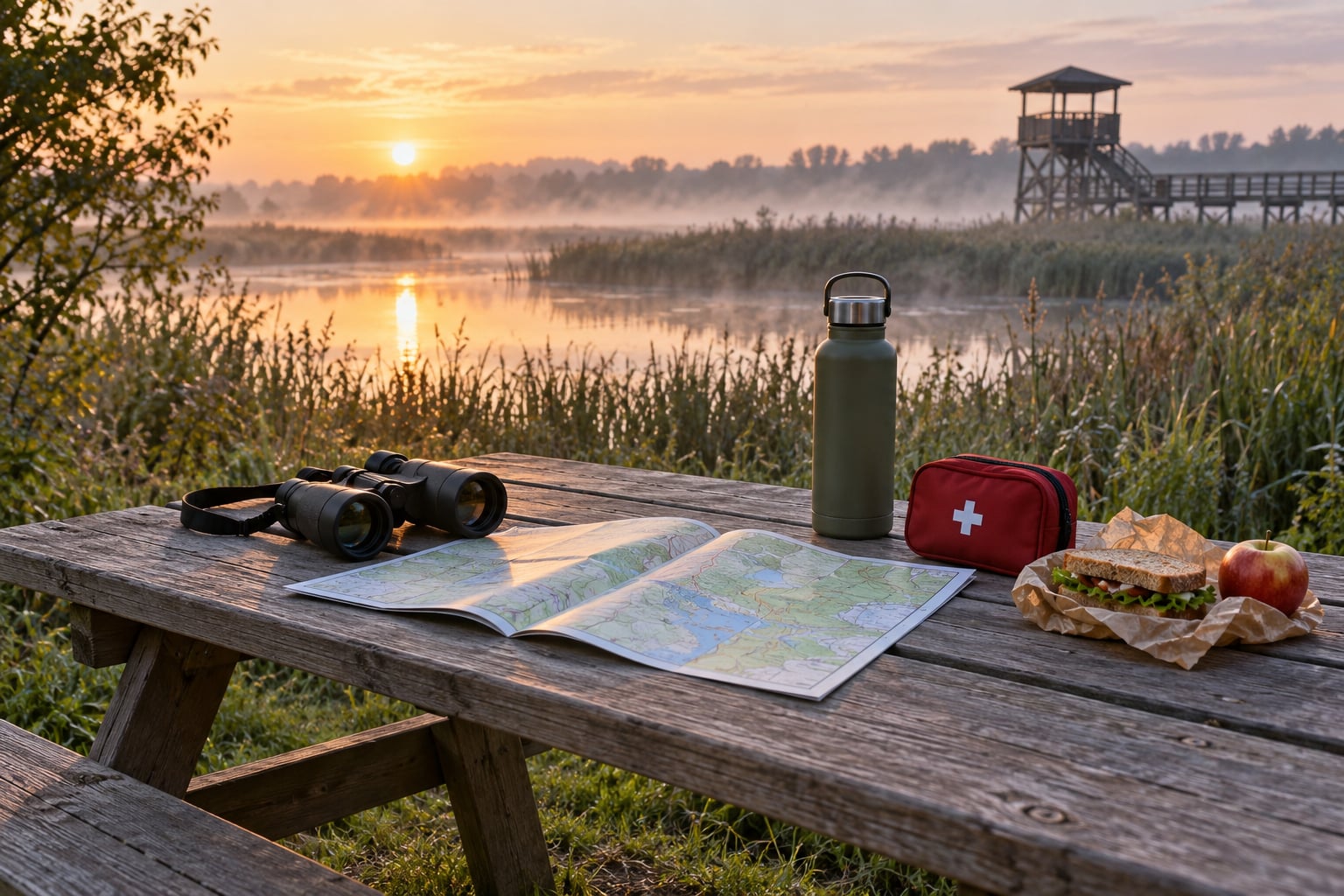
A good wildlife refuge day plan starts the evening before, not at the gate. Most first-timers lose hours because they arrive at noon, drive a loop too fast to see anything, and discover on the way home that the road they wanted was closed all week.
This guide covers how to plan a day trip around a wildlife refuge: what to bring, how to choose one route instead of five, and how to behave when an animal actually shows up. Budget about two hours of preparation and the early morning it takes to use it.
Table of Contents
- What You Need
- How to Plan a Day Trip Around a Wildlife Refuge
- Choose a Main Activity
- Build a Realistic Route for a Wildlife Refuge Day Trip
- Pack and Prepare for Conditions
- Common Mistakes
- Frequently Asked Questions
- Do I need to make a reservation to visit a wildlife refuge?
- Can I bring my dog to a wildlife refuge?
- What should I do if the weather changes during my refuge visit?
- Are drones allowed at wildlife refuges?
- How can I make the most of a day trip without disturbing wildlife?
- What should I do if I get lost or have an emergency in a refuge?
What You Need
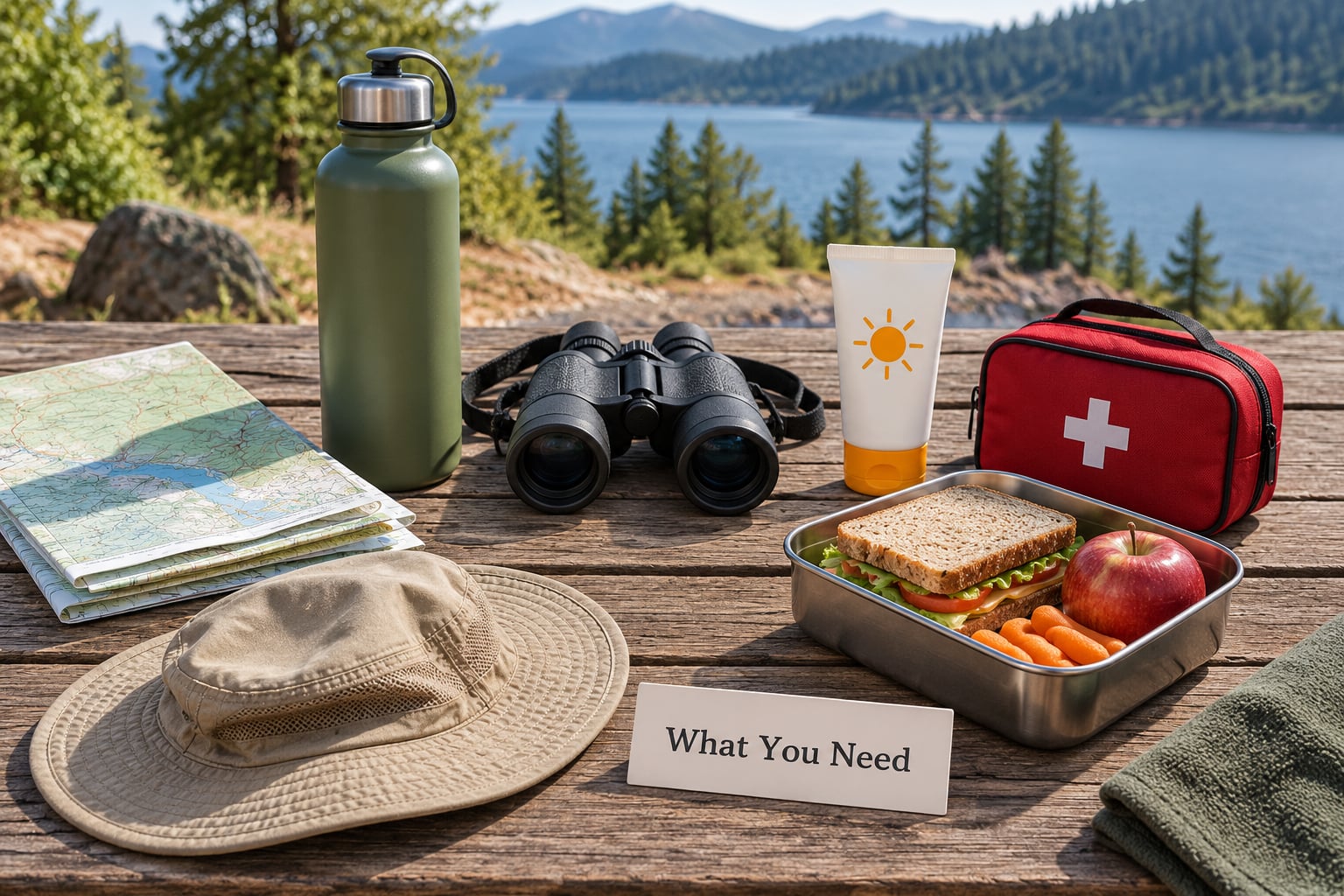
Start with the boring things, because they cause most of the misery. Paper is not a weakness, but every item below earns its place for a specific reason.
- Navigation: the refuge map downloaded to your phone for offline use, plus a paper backup. Cell service is marginal at a lot of refuges, so download before you leave the house.
- Viewing tools: binoculars. If you are walking a lot of ground or watching an open impoundment, a spotting scope is worth the weight.
- Water: more than you think, in a reusable bottle. Assume there is no fountain on the loop.
- Food: a packed lunch you eat in the car. Wildlife concentrates around food smells, and a picnic with lids still leaves scent behind.
- Weather protection: insect repellent, sunscreen, a hat, and a rain shell in a pack you can carry one-handed.
- First aid: a small kit, plus any personal medication. Tell someone at home your route and expected return time.
- Paperwork: your entry pass or permit, if the refuge requires one, and the ranger station phone number saved offline.
- Field notes: a checklist app or paper list. Recording what you saw turns a drive into something you build on next time.
A phone with a full battery and a car charger counts as safety equipment here. So does a whistle if you plan to walk alone.
How to Plan a Day Trip Around a Wildlife Refuge
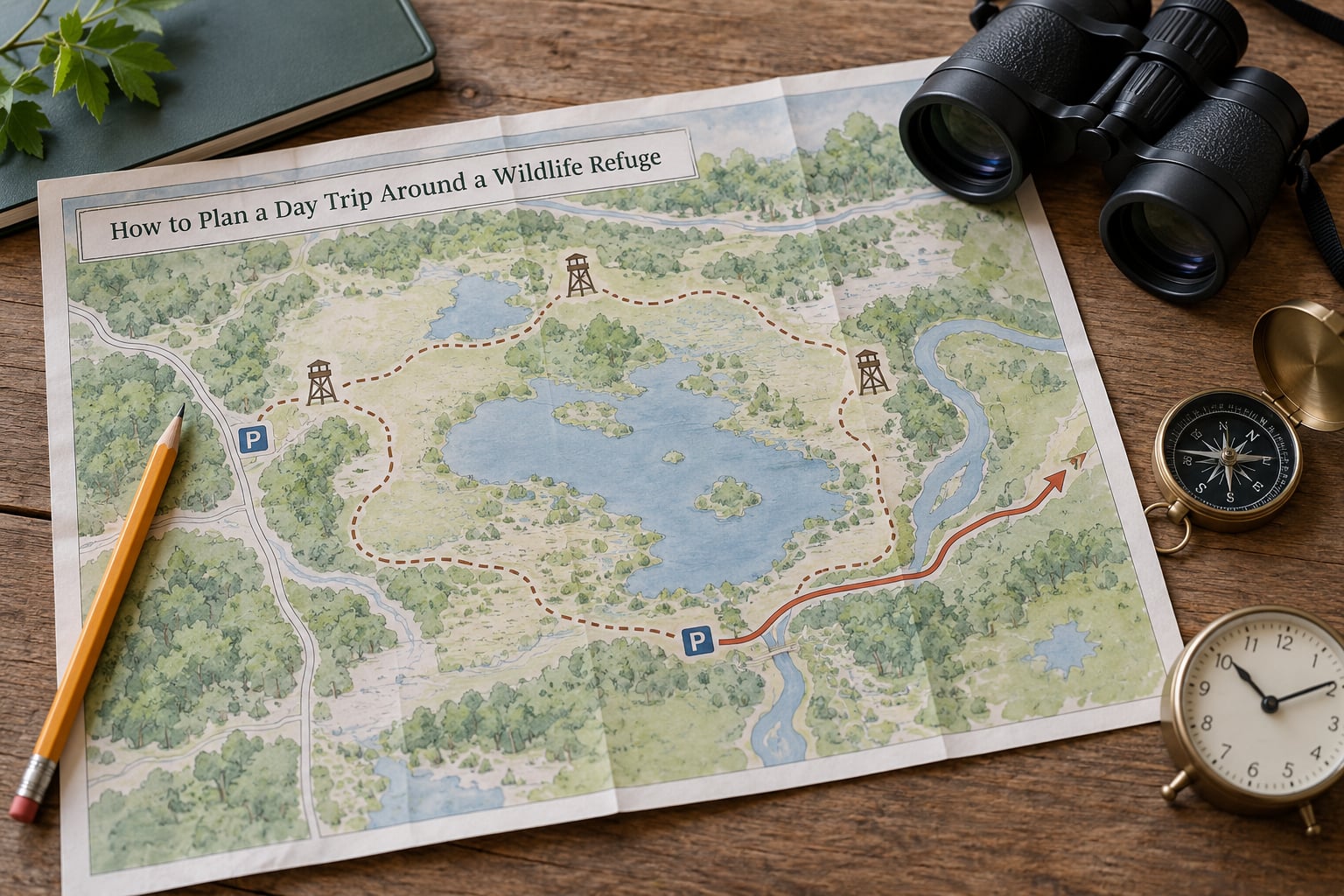
To plan a day trip around a wildlife refuge, start by deciding what you want to see, check the refuge site for closures and permits, pick one or two areas instead of the whole refuge, build the day around sunrise and sunset, pack for insects and mud, and keep a backup plan for weather. Six decisions cover most of the planning.
- Define the outing in one sentence. Write down what success looks like: fifty species on a list, one good wildlife photograph, a three-mile boardwalk with kids. A vague day turns into a drive past everything.
- Read the refuge website and current alerts. Check hours, seasonal closures, hunting season restrictions, trail conditions, and whether any road has washed out. This is the single step people skip.
- Confirm access points and permits. Some refuges are free, some need an America the Beautiful pass, and a few require a specific permit for the activity you plan to do.
- Set arrival and departure times from daylight. Animals are most active in the first two hours after sunrise and again before dark. Work backwards from sunset, not from your work schedule.
- Pick one main activity. The rest of the day supports it. A birding day and a photography day are built differently.
- Choose one or two focal areas. Pick them on the map, then estimate drive time plus stopping time between them. Underestimate this and you will spend the day in a parking lot.
- Plan the meals and the bathroom breaks. Know where restrooms are along the route before you need one.
- Set a decision point. Decide in advance at what hour you abandon the plan if the weather turns or nothing is moving.
Choose a Main Activity
Birding rewards patience and quiet. Wildlife watching from a vehicle rewards slow speeds and long stops at overlooks. Photography rewards a specific light direction and a fixed position. Each one wants a different route.
Match the activity to what the refuge offers. A place with a long auto tour road suits a scenic drive with kids. A place with a canoe launch gives paddlers access to waterfowl that drivers rarely see.
Then check the limits that are not negotiable. Some auto tour roads are closed to bicycles or horses. Some trails are unpaved and impassable after rain. Some refuges run ranger-led walks that beat anything you can improvise, so look at the schedule when you check the site.
Build a Realistic Route for a Wildlife Refuge Day Trip
Time your stops, not your trailheads. A 12-mile loop at 15 miles per hour is fifty minutes of driving, and that is before you slow down for a heron.
Stopping for twenty minutes at four overlooks is already nearly an hour and a half of actual watching. That is the honest math that keeps a day trip from turning into a car tour.
Stay with one spot longer than feels comfortable. Most of the sightings people remember came from an hour at a single overlook rather than a fast lap of five parking areas.
Leave a buffer of at least thirty percent of your driving time. Auto tour loops close, gates lock behind you, and an interpretive stop with a ranger is worth more than the trail you were going to squeeze in.
Pack and Prepare for Conditions
Adjust the base kit to the forecast. Heat and sun call for more water, a hat, and light long sleeves. Cold wind at an open marsh calls for a layer you can put on without stopping to dig.
Insects deserve their own line in the plan. Wetland and wooded edges can be brutal in the wrong wind, and DEET or picaridin on exposed skin works better than a spray you use once.
Rain changes footing more than it changes plans. Unpaved trails turn to mud and standing water, and boardwalks may be the only dry ground left. Bring a hiking pole if the route has any unpaved section.
Humidity matters too. In coastal and bottomland refuges, gear that stays damp overnight feels worse than cold does. Quick-dry layers beat cotton.
Before you leave, download the map, fill the tank, and check the forecast one more time. Those three things take ten minutes and account for most of the bad days people report.
Common Mistakes
Arriving without checking closures. Seasonal closures and hunting restrictions change access on a schedule. A trail closed for a hunting program is often simply posted, not obviously closed.
Trying to see the whole refuge. Large refuges can take days. Pick one area, watch it properly, and accept that you are coming back.
Overpacking the schedule. Six stops at fifteen minutes each produces a day of driving. Two stops at an hour each usually produces birds.
Ignoring permits and pass rules. Entry requirements vary, and some activities need a separate permit. Check before you park, not at the gate.
Underestimating insects and weather. Mosquitoes concentrate along still water and in calm wind. Check the forecast for wind direction, and pack for the worst hour rather than the average.
Getting close for a better photo. Approach to the posted distance, use a long lens, and let the animal choose whether to leave. Feeding wildlife is prohibited almost everywhere, and a habituated animal can be removed.
Relying on cell service. Signal gaps are the norm in the places you most want help. Offline maps and a paper map solve it in advance.
Leaving food or trash exposed. Use a lidded container, pack out everything including apple cores and fish skeletons, and clean gear before you leave so you do not carry invasive species to the next wetland.
Frequently Asked Questions
Do I need to make a reservation to visit a wildlife refuge?
Most national wildlife refuges are first come, first served and need no reservation for a standard visit. Some require one for entry at a visitor center, during hunting seasons, or for commercial guiding. Some popular refuges ask you to check in at a kiosk or self-registration board. Read the refuge site for your specific destination before you drive out. It takes five minutes and removes the most common gate surprise.
Can I bring my dog to a wildlife refuge?
Often, but not everywhere and not everywhere on the refuge. Many sites restrict dogs to paved trails, parking areas, and campgrounds. Others require a leash. Some ban them outright to protect nesting birds and ground-nesting species. Fines are common for dogs off leash. Check the refuge regulations page and the signs at each trailhead before you unload. Leashes are required in most cases.
What should I do if the weather changes during my refuge visit?
Decide your cutoff time before you leave, and stick to it. On rain, shift to the visitor center, interpretive signs, and any sheltered overlook rather than pushing onto unpaved trails. On heat, rest in the car, watch from shade, and drink water more often than feels necessary. On wind, note that birds tuck in and feeding slows, so expect less activity. Leave early if conditions turn unsafe.
Are drones allowed at wildlife refuges?
Recreational drone use is prohibited at national wildlife refuges administered by the U.S. Fish and Wildlife Service. Flying one can disturb nesting birds and other wildlife, which federal rules take seriously. Enforcement can mean fines. Do not assume a nearby national park or state park has the same rule either. Each land manager publishes its own policy, so check the site for the place you are actually going.
How can I make the most of a day trip without disturbing wildlife?
Stay at or beyond posted distances and let animals approach you instead of moving closer. Keep your voice low near nesting and calving areas. Never feed wildlife, even animals that seem habituated. Slow down on auto tour roads so birds have time to move away. Stay on boardwalks and marked trails in sensitive habitat. Pack out all food waste and clean mud off your boots before driving to another wetland.
What should I do if I get lost or have an emergency in a refuge?
Stop moving and stay where you are if you can. Note your location or last landmark, and conserve phone battery by dimming the screen and putting the phone in airplane mode. Most refuges list a visitor center or ranger station phone number on the refuge site and on posted signs. Save that number offline before your trip. For injuries or emergencies, call emergency services and give your location and the road or trail you are on.
Start at the refuge’s official visitor information page tonight. Check hours, closures, permits, and the forecast, pick one area, and set your arrival time before sunrise. Everything else on this list gets easier once those four decisions are done.