How to use a ground blind in a marsh edge comes down to four things: put the blind below the skyline, set it behind natural cover, aim it into the wind, and pick a spot with firm ground and a way out before the tide changes. That is the whole method. The rest is patience.
A marsh edge is the seam where open water meets solid bank, and it is the busiest surface on the whole marsh. Ducks drop into the water there, deer step off the high ground to drink, and everything in between moves along that edge instead of across open marsh. You get all of it from one low, still position.
The catch is that the marsh has no trees. There is nothing to hang a stand from, nothing to hang a ladder blind on, and nothing to lean a layout blind against. Cover has to come out of the vegetation you are sitting in, which changes how you set up compared to an upland field edge.
I would budget 30 to 45 minutes for a proper set, most of it spent cutting and packing vegetation. Rushing that part is the single reason blinds look like a pop-up tent on the skyline.
Table of Contents
- What You Need
- Required
- Nice to have
- Step-by-Step: How to Use a Ground Blind in a Marsh Edge
- 1. Check permission, access, and the tide before you leave
- 2. Choose a site with concealed access and a clear field of view
- 3. Set the blind low, stable, and aligned with the wind
- 4. Control scent, sound, and movement
- 5. Watch the edge instead of staring at one spot
- 6. Adjust for changing water, light, and weather
- 7. Leave quietly and follow Leave No Trace principles
- Common Mistakes
- Sitting on a site with no exit plan
- Ignoring the tide because the water looked low when you arrived
- Setting the blind in open ground with a view but no cover
- Facing the wrong wind
- Moving too much inside the blind
- Flushing birds on the walk-in
- Leaving hardware and vegetation behind
- Underestimating cold wet sitting
- Frequently Asked Questions
- Can I use a ground blind in a marsh edge?
- How do I keep a ground blind stable in wet soil?
- What wind direction is best for a ground blind?
- Is a ground blind safer than hunting in open marsh?
- How long should I sit in a ground blind before moving?
- What should I do if the tide starts rising while I am in the blind?
- Conclusion
What You Need
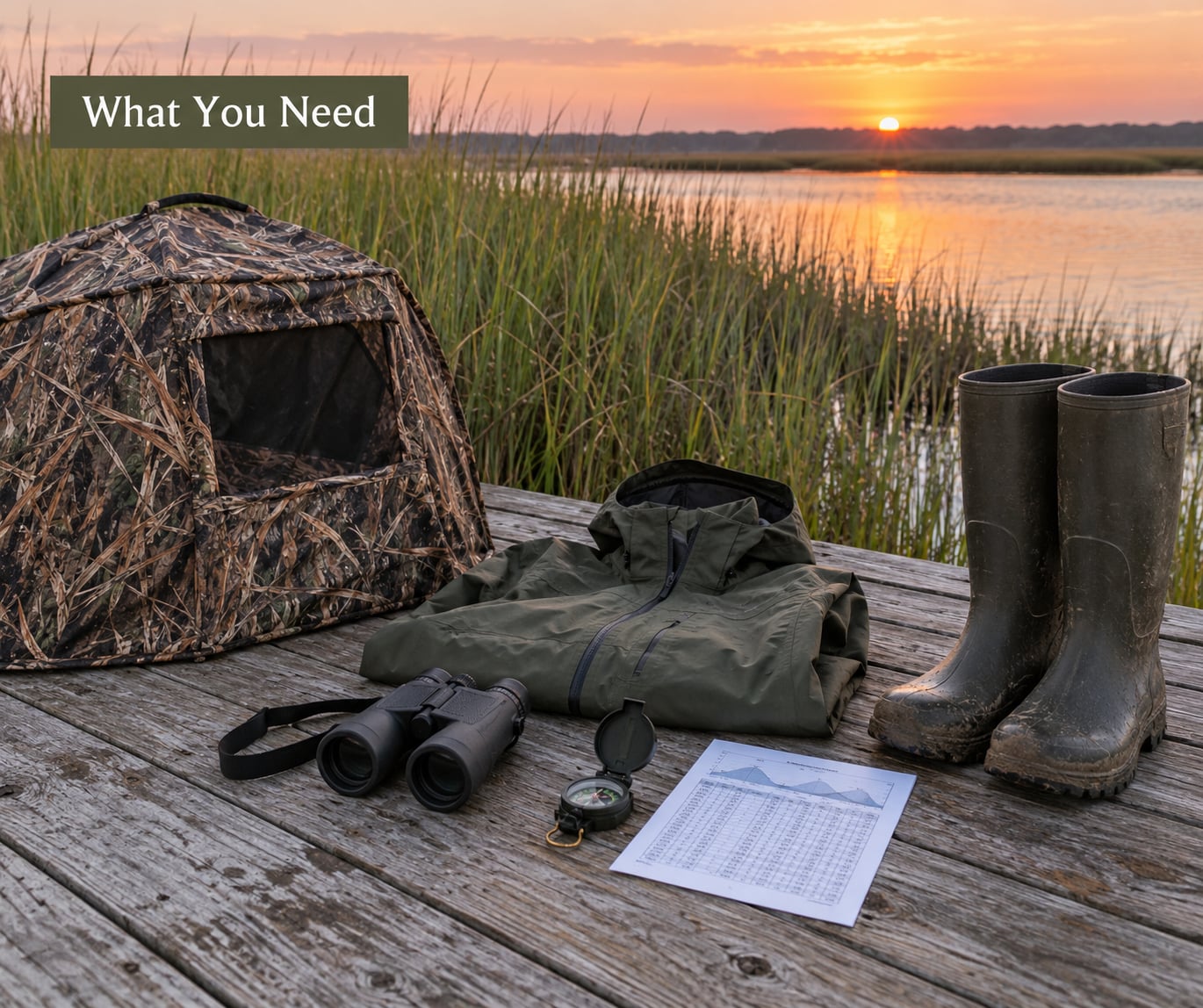
Start here, because gear cannot fix a legal problem or a rising tide. Confirm you are on land you are permitted to hunt, check the state waterfowl and big game regulations that apply to your unit, and read the tide table for your specific launch point.
Required
- Lawful access confirmed, with the unit number and any permit you need checked the night before
- Tide table and hourly forecast for that water body, plus your hard turnaround time
- Ground blind sized for one or two people, with mesh windows and a solid floor panel
- Corner stakes, at least four, and bungee cord or zip ties for anchoring
- Hand clippers and a bundle of local vegetation, cut only where cutting is allowed
- Insulated sit pad, because wet ground takes heat out of you faster than cold air does
- Chest waders with a belt, and cleated or felt-soled wading boots for the walk in
- Personal flotation device worn from the moment you step off the bank
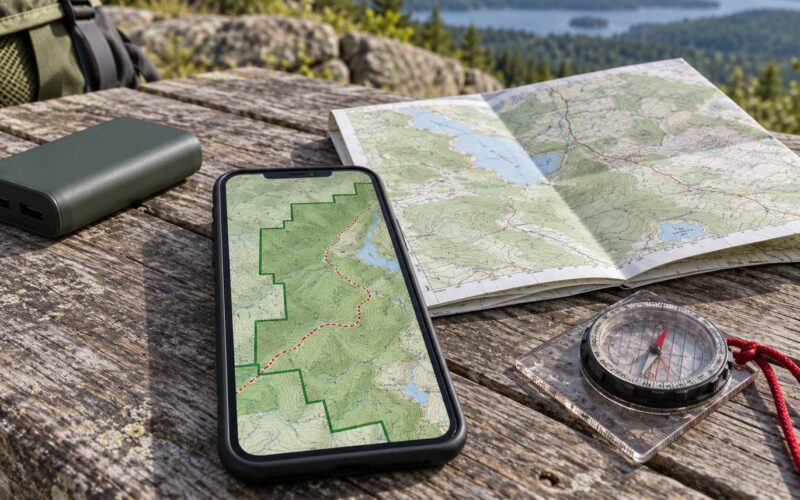
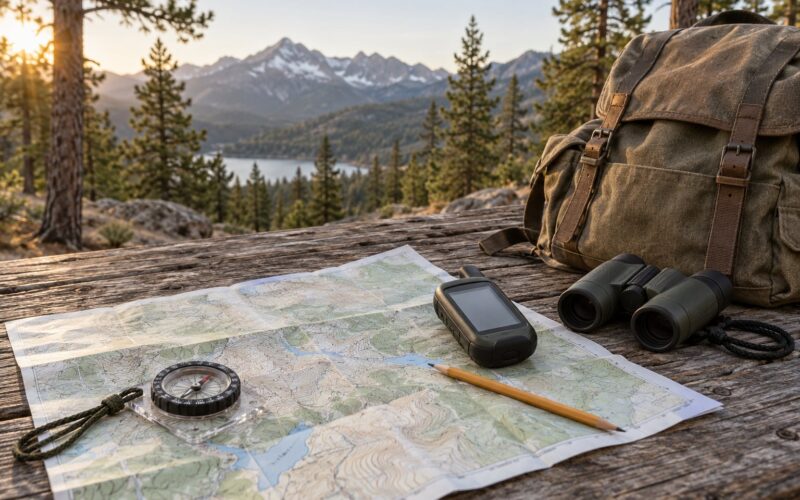
- Headlamp, whistle, charged phone or GPS, and a partner who knows your plan
- Water and a high-calorie snack in a sealed container
Nice to have
- A folding stool, if you are hunting deer rather than waterfowl and want to shoot standing up
- Thermos and hand warmers for a sit that runs past two hours
- A short ladder or step stool to reach the backrest of a taller blind
- Extra socks and a dry base layer sealed in a plastic bag
The PFD is not optional and it is not a pack-extra. Salt marsh water at 50 degrees will take the fight out of you in minutes, and the worst marsh drownings on the Southeast coast happen to people who were standing in shin-deep water.
Step-by-Step: How to Use a Ground Blind in a Marsh Edge
Work through these in order. Skipping the first two is how people end up stranded or flush every bird on the water before dawn.
1. Check permission, access, and the tide before you leave
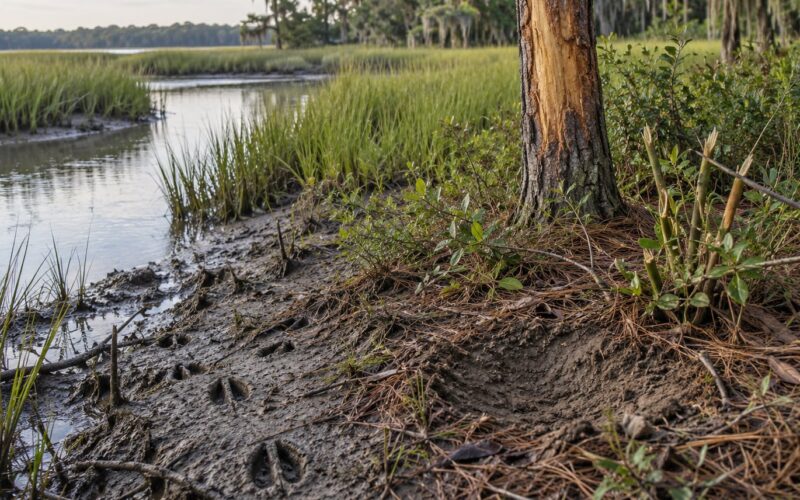
Walk the access from your vehicle to the water the day before if you can, then look at it in the dark the way you will actually see it. Marsh ground that looks walkable in daylight can be bottomless at the edge.
Note two exits, not one. The main route plus a fallback that does not cross open water, and write down the time you will be off the marsh no matter what happens.
2. Choose a site with concealed access and a clear field of view
Ground blinds work at pinch points, where animals funnel through instead of spreading out. That is the consensus on hunting forums, and it is correct: location beats camouflage every time.
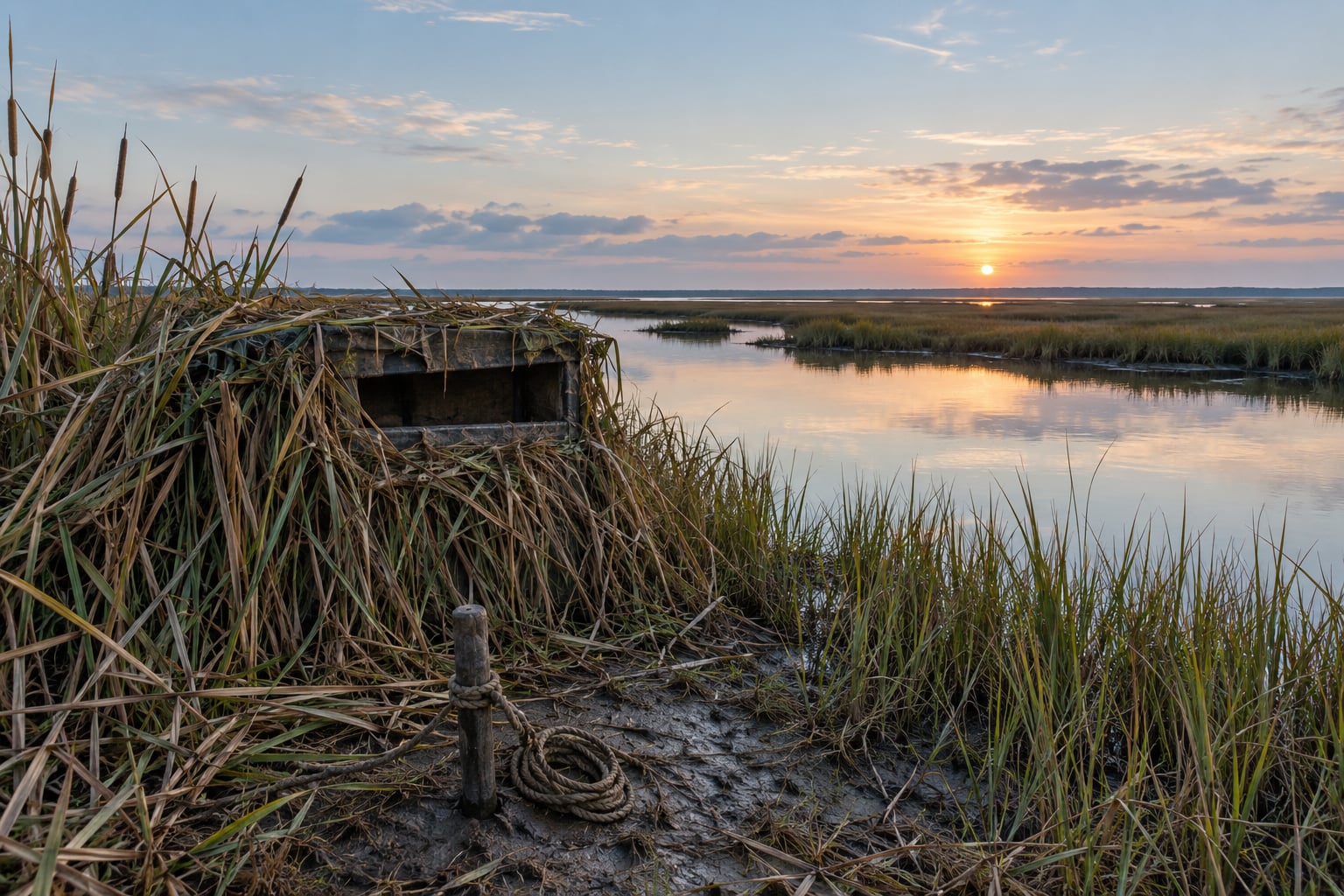
You want firm ground with a natural back edge, a screen of cattails, sedge or brush between you and open water, and a landing or approach zone in your field of view. Skip the ridge and skyline placements that look good on a topo map and read as a dark box against bright morning sky.
For waterfowl, look for a pocket where birds have been dabbling. For deer, look for a firm hummock near the water’s edge with trails running to it. Check the site from about 50 yards back on foot and again from across the water; anything that reads as a solid shape from either angle needs more vegetation before you hunt it.
3. Set the blind low, stable, and aligned with the wind
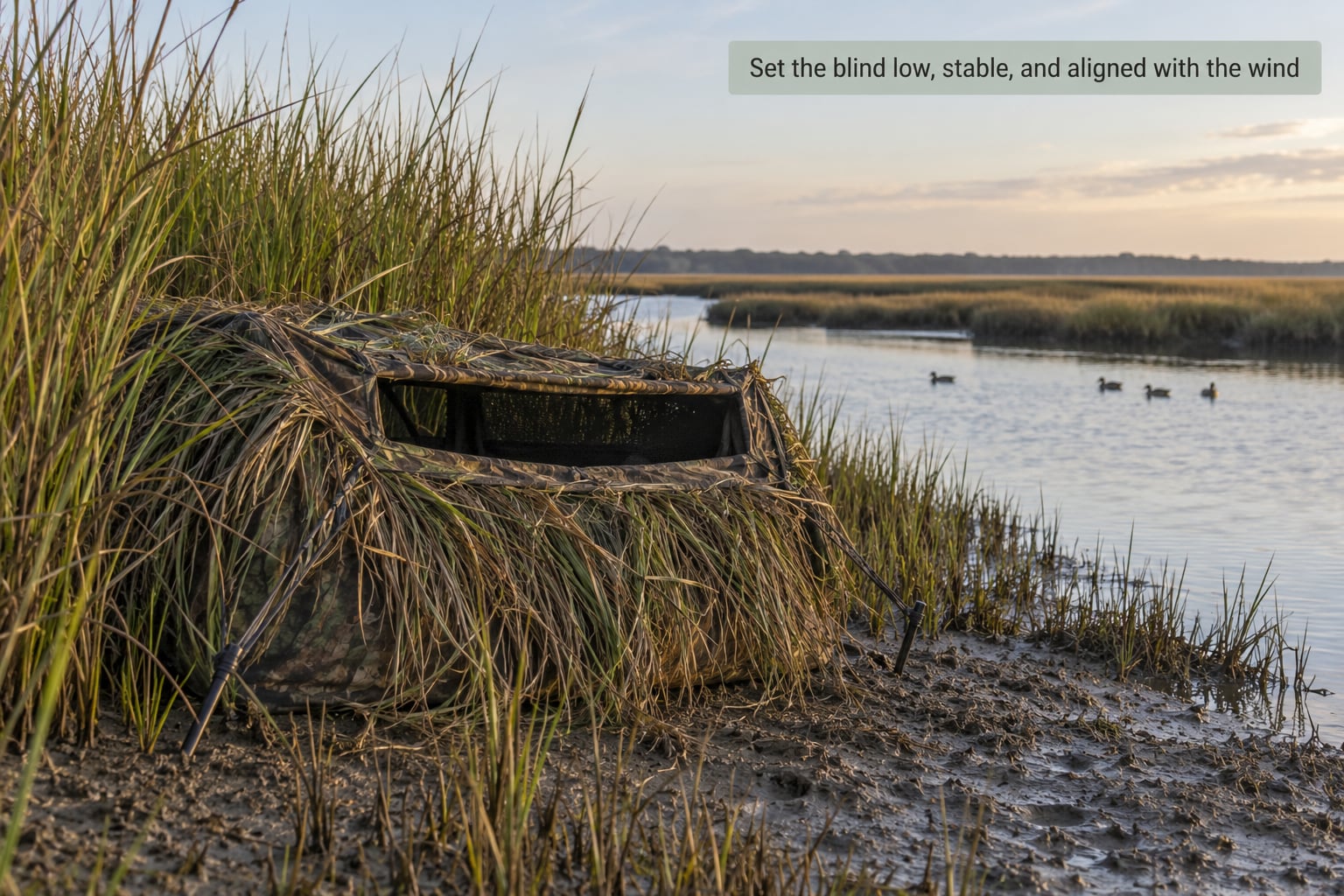
Set the blind so the wind is at your back and slightly quartering, which puts your scent downrange and your open face to the quiet air. Stake each corner at roughly a 45 degree angle away from the blind, because a straight stake pulls straight out of soft mud the first time you lean on it.
Sit the blind low enough that the top rail stays below the vegetation line behind it. Open only the window you need, and add the shooting hole if you want to draw a bow without touching brush.
On open mud with nothing behind you, forum hunters dig a hole about 18 inches deep and 2 feet across, then pile the spoil on the side facing the animals. You get a partial visual screen and a steady rest without any hardware. Do not dig on a bank or in a marsh where digging is restricted.
Brushing in matters more than the camo pattern that came on the blind. Cut vegetation where it is allowed to be cut, pack it into the blind first, then the perimeter, then an airy top layer. Hunters on the waterfowl forums consistently report that locally cut reeds blend better than any synthetic netting they have tried. Mud helps: work creek mud into the fabric and re-mud it through the wet weeks, because clean camo and wet mud never match.
4. Control scent, sound, and movement
Approach with the wind, take the long way around, and stop short often enough to let birds settle back. Most flushes at a marsh blind happen during the walk-in, not during the sit.
Inside the blind, keep gear on your non-dominant side, set your phone to vibrate, and skip the thermos lid that clanks. Once you are seated and set, move slowly and rarely. A drawn bow knocking a clump of sedge aside is the tell that gives away a blind that otherwise worked perfectly.
Clip one or two shooting lanes and no more, trimming them before you settle in. Clippers in your pack solve more marsh problems than any other single tool.
5. Watch the edge instead of staring at one spot
The mistake is locking your eyes on one patch of water. Scan the full arc of your field of view in slow sweeps, then pause and listen. Moving vegetation, a shifting shadow, or a soft splash upstream all mean something is coming before you see it.
Use the edge itself as your guide. Birds approach a marsh edge from downwind or quartering, and a steady edge is usually a good sign. Sit still through the flush and let the stragglers come back; repositioning mid-sit is how you spend the best hour of the morning fixing a bad decision.
6. Adjust for changing water, light, and weather
Rising water is the quiet hazard of a marsh edge. What was a comfortable hummock at dawn can be an island by mid-morning, and what was a safe crossing can be a channel with current.
Check your turnaround against the tide chart at the start of the sit and again halfway through. If the water is visibly rising against your waders or your blind footprint is shrinking, leave early rather than at the deadline.
Wind shifts are easier to handle. If the wind swings more than about 45 degrees, your scent may be carrying to where you can no longer control it, and it is often worth moving the blind or the decoy spread if you have time. Fog and rain cut both ways: birds come closer because they cannot see you, but they also see less, so pass up shots you would take on a clear morning.
7. Leave quietly and follow Leave No Trace principles
Pack out every stake, every tie, and all trash, including spent shells and any decoy straps. A blind left behind becomes a landmark that pushes birds out of the best water on the unit.
Leave the vegetation you cut in a bundle or scatter it back over the area rather than piling it, and do not damage more plants than you need. If you dug a shooting hole, collapse it and spread the spoil flat when you leave.
Close the walk out the way you came in, moving slowly from the water toward the bank. If you found damaged boardwalk, a downed fence, an illegal dump, or an injured bird, report it to the managing agency. That is part of the deal with public ground.
Common Mistakes
Sitting on a site with no exit plan
The fix: name two routes before you unpack, one of them never crossing open water. If the fallback is bad, the site is a bad site.
Ignoring the tide because the water looked low when you arrived
The fix: set your cutoff from the tide table, not from what you see. Tide charts for the nearest station, plus an hour for the lag between the station and your spot.
Setting the blind in open ground with a view but no cover
The fix: trade field of view for a back edge. A blind with a 90 degree usable window beats a wide-window blind that reads as a box on the skyline.
Facing the wrong wind
The fix: with wind at your back you control your scent; with a headwind your scent goes straight to the birds. If you cannot move the blind, move the decoys and shorten your wait.
Moving too much inside the blind
The fix: set everything before you sit down. Small repositioning after you are seated is what tips birds off a good hide.
Flushing birds on the walk-in
The fix: approach on the wind, cross at the narrow point instead of walking the bank, and give birds a full minute to resettle after each stop.
Leaving hardware and vegetation behind
The fix: a quick count before you step into the water, every time. Stakes left in a marsh are a hazard for somebody else.
Underestimating cold wet sitting
The fix: an insulating sit pad under you, dry socks in a sealed bag, and a plan to get moving if you start shivering uncontrollably. Cold-water immersion is the actual danger at a marsh edge, not the wind.
Frequently Asked Questions
Can I use a ground blind in a marsh edge?
Yes, and it is one of the better uses for one. A ground blind puts you below the skyline inside vegetation birds already treat as cover, and it works on a narrow cattail or sedge edge where a ladder blind has nothing to hang from. Check the rules for the unit, use firm ground behind a natural back edge, and stay above the waterline.
How do I keep a ground blind stable in wet soil?
Stake every corner at roughly a 45 degree angle driven away from the blind, use at least four stakes, and set them into the firm margin above the softest mud rather than into the mud itself. Add a corner stake on the windward side when the forecast calls for gusts, and keep weight on the center rails rather than leaning against the fabric wall.
What wind direction is best for a ground blind?
Wind at your back, or slightly quartering from behind, is the best position because it pushes your scent away from the approach and keeps the birds in front of your face. A pure headwind is the worst case since your scent carries straight to anything moving toward you. If you cannot reposition, face the quiet air and expect to work shorter windows.
Is a ground blind safer than hunting in open marsh?
In some ways, yes. You are low, screened, and sitting rather than wading, and you can pick a position with two escape routes. It does not remove the real hazards, which are cold water, sudden channeling as the tide fills, and unstable footing. Those come from the tide and the mud, not from the blind, and none of them are fixed by concealment.
How long should I sit in a ground blind before moving?
For waterfowl at a marsh edge, plan on two to four hours through the morning flight rather than a set minimum. Sit longer if birds are working the edge and you still have time before your cutoff. If nothing has moved for a long stretch and the wind has not changed, a quiet reset or a new position usually beats another hour in the same spot.
What should I do if the tide starts rising while I am in the blind?
Start leaving at your cutoff time rather than waiting to see how high it comes. Pack the blind down first, keep your PFD on and stay in water under knee depth if you can, and use your fallback route if the main one is under water. Rising water narrows your footprint and can cut off a low bank faster than you expect, especially with wind pushing water onto the marsh.
Conclusion
Three things first: verify permission and confirm your access route, check the tide table and weather and set a hard cutoff time, then choose a low site with a natural back edge and two ways out. Everything after that, brushing, lanes, scent, patience, is refinement on those three decisions. Get them right and the marsh does the rest.